THE RENDITION MEETS ARINZÉ KENE
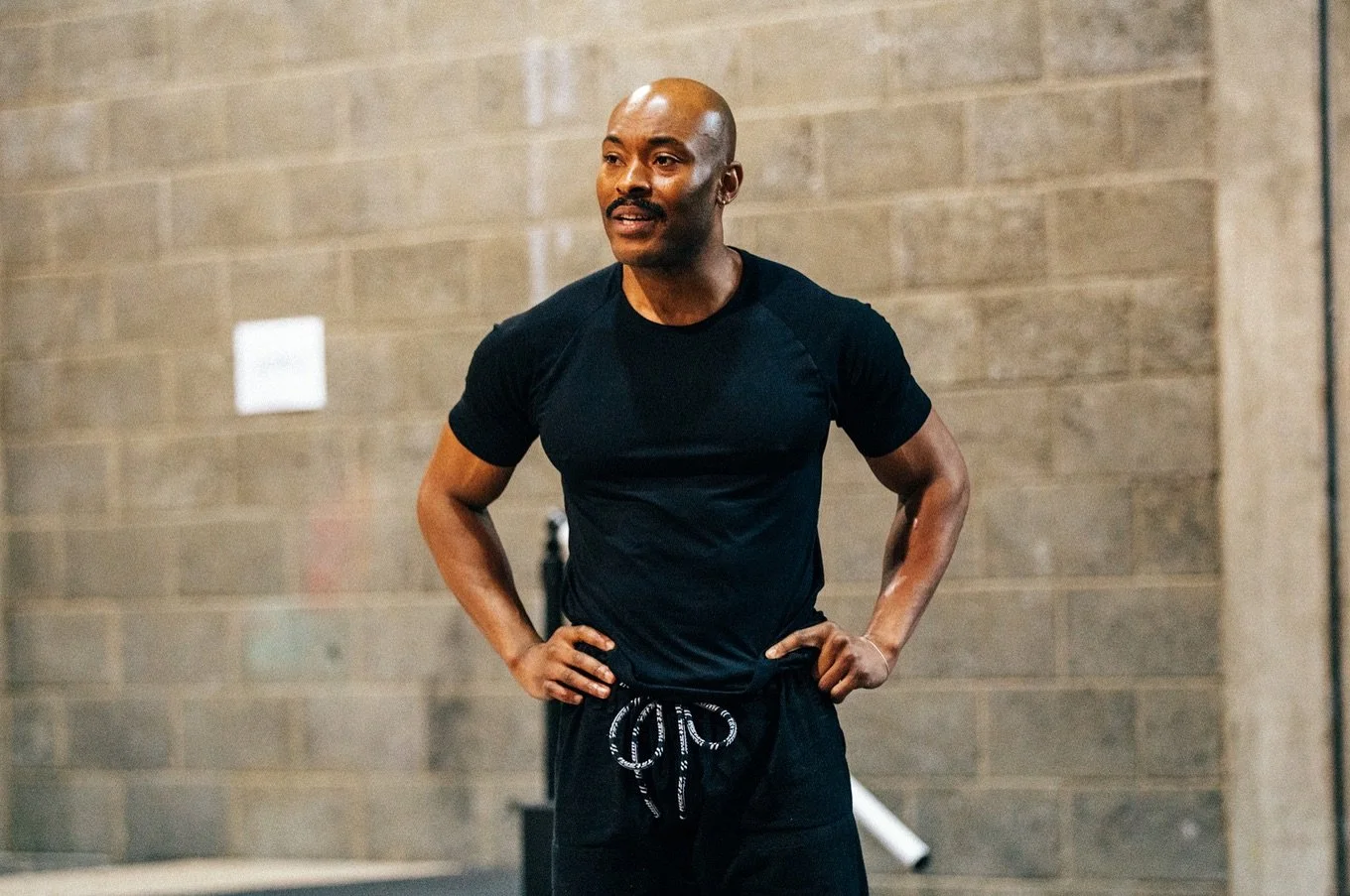
Image Credit - Mark Berner
Arinzé is an artist whose work consistently sits at the intersection of politics, identity, and bold theatre. From his Olivier-nominated, genre-defying solo show Misty, to acclaimed performances in Death of a Salesman and Get Up, Stand Up! The Bob Marley Musical, has built a body of work that asks difficult questions and refuses easy answers.
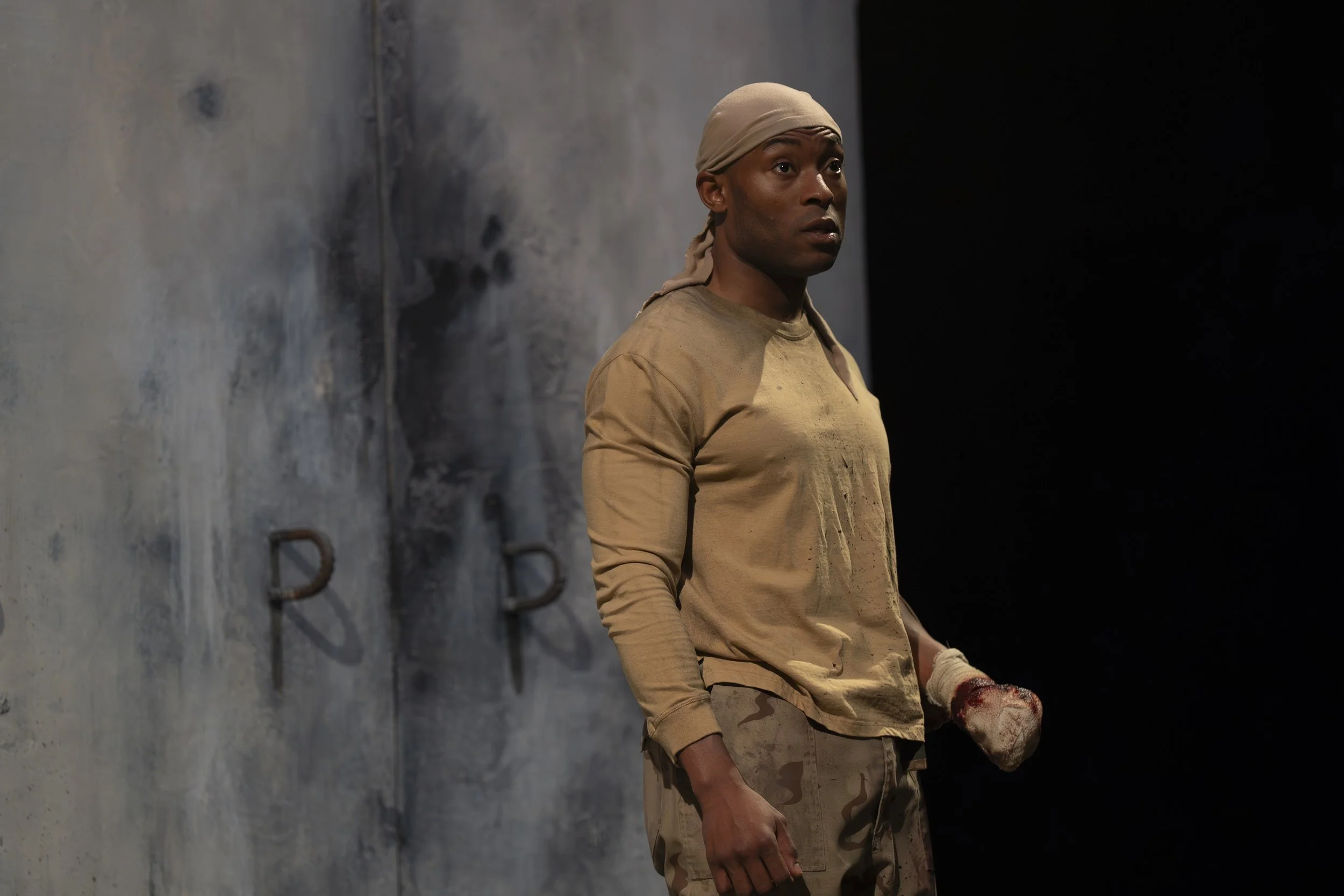
Now, he returns to the stage in the UK premiere of Rajiv Joseph’s Bengal Tiger at the Baghdad Zoo at the Young Vic, directed by Omar Elerian. A dark comedy and surreal examination of war, faith, and moral reckoning, the play places American and Iraqi lives side by side in the aftermath of the Iraq War - haunted, quite literally, by a tiger searching for meaning.
I spoke to Arinzé about the play’s urgent themes, his journey as an artist, and how this role sits alongside the legacy of Misty.
At the beginning of our conversation, I ask a deceptively simple question: if he had to choose, would he rather spend the rest of his life acting or writing? He takes a long pause, whispering “damn”, then smiles.
“That is a really difficult question because they both give me so much joy,” he says. “But I think I’d pick writing. You could do that until the very end. With writing, I could be like Jay Dilla, making beats on my deathbed. Whereas, with acting, at some point, you physically can’t keep going. Theatre is all about legs and lungs.”
It’s a thoughtful, practical answer, rooted in longevity rather than ego. But as the conversation unfolds, it becomes clear that Arinze is far less interested in categorising himself than he is in remaining open - to collaboration, and to questions that don’t have the easiest answers.
That openness is at the heart of Bengal Tiger at the Baghdad Zoo. When I ask about his first reaction to the script, his enthusiasm is immediate.
“My first thought was ‘this script is hilarious’. It’s brutal. It’s honest. It’s absurd. And then there’s this wonderful tiger. I don't know about you, but I've not seen that many stories in which a tiger is personified.”
Set in Baghdad after the fall of Saddam Hussein, the play follows American Marines, Iraqi civilians, and a tiger as their lives collide amid chaos, greed, and grief. Originally staged on Broadway, with Robin Williams as the Tiger, the play was nominated for both the Pulitzer Prize and several Tony Awards.
“That’s not by mistake,” Arinze adds. “Rajiv Joseph is mystical. This play is more than the sum of its parts. Every time you read it, something else creeps up on you. For my first, second and third read, I was just in awe.”
As he began stepping into the role of Kev, a young American soldier, Arinze felt both excitement and honour. “It was like being in a playground,” he says. “But I was also grateful for the responsibility.”
When I ask about the play’s bigger themes such as faith, morality, guilt, and the search for meaning, Arinze reflects on how time and experience shape the way we engage with those topics.
“The older we get, the more conscious we become (well, most of us anyway),” he reflects. “You begin to ask the right questions. You might not get an answer, but you ask them anyway. The play explores existential angst. Why are we here? Why do bad things happen to decent people? Why do we die? Pick a religion. They’re all trying to get to the bottom of this. And here’s a play that does it from the perspective of a war nobody asked for.”
Bengal Tiger at the Baghdad Zoo uses war as a lens to explore the questions that humanity has been grappling with for centuries. Yet despite its brutality, Bengal Tiger at the Baghdad Zoo remains deeply watchable - even funny.
“For anyone who is spiritually inquisitive, you’ll get a lot from this play. If you’re not, you’ll still enjoy it because of the hilarious characters and fabulous actors. The way that Omar has directed it is brilliant. If you just want to have a fun time in the theatre, then weirdly enough, a play as brutal as this will do that for you. That's one of the gifts that Rajiv Joseph has; the ability to discuss a subject matter like this and still have it be enjoyable.”
Playing Kev requires a particular kind of surrender. When I ask how he balances the political context of the Iraq War with the humanity of the character, his answer is clear.
“I have to let go of my politics and let go of what Arinze would do,” he explains. “Kev represents the blind followers of war. He didn’t really know what he was getting into. He wanted to be a man, and fight for his country. His only flaw is ignorance.”
It’s a story Arinze realises is tragically familiar.
“There are many men who regret what they did and what they saw. Some never came home the same, and some never came home at all.”
To tell that story honestly, he has to lean fully into Kev’s mindset - the greed, the bravado, the blindness - all without judgment. The production also marks a reunion with director Omar Elerian, who previously directed Misty, which Arinze wrote and starred in. When I ask what that collaboration has brought to this play, Arinze doesn’t hesitate.
“Omar is egoless, inventive, and deeply collaborative. I’ll never say no to working with him. He makes you question everything: when does the play begin? When house lights go down or when stage lights come up?”
That philosophy shapes the rehearsal room, where every voice is valued.
“Everyone knows their ideas count. That leads to confident performances and a better experience for the audience.”
The diversity of the team, and the culture they bring is prevalent. “We’ve got Syrian actors, an Iraqi set designer, a Palestinian Italian director. And I was born in Lagos. Storytelling is in my bones. You can’t beat the Nigerian out of me. It feels like how it should be. You should see our green room during lunchtime. The food is amazing!”
At one point, I tell Arinze about my own experience watching Misty years ago; how it was one of the first plays I saw written by a Black person, and how it quietly shifted my relationship with theatre. Audiences will remember Misty for the way it challenged ideas of authorship, identity, and truth. I didn’t have the language then, but I remember thinking: I want to see more work like this. Work that felt authentic, complex, and free from stereotype. When I ask if he sees any connection between Misty and Bengal Tiger, Arinze considers it carefully.
“Stylistically, there are similarities, since it’s the same creative team,” he says. “But Misty was one man’s internal world. Bengal Tiger at the Baghdad Zoo is a bird’s-eye view. It’s an ensemble. This play gives the audience more of a choice about what storyline to follow. With Misty, you didn’t have a choice.”
Misty was the first time that Arinze placed himself at the centre of his work as both writer and performer. I wondered how his process shifts when inhabiting someone else’s words and stepping into a character created by another writer.
“Misty was the anomaly, and initially, I didn’t even want to do that. We were workshopping it, and I wasn’t sure that the role was for me. Then Omar became part of the process, and said ‘not only is it for you, it is you’. It felt very pretentious and egotistical putting myself up on stage, but I realised that this was my truth and I wanted to share it. There was an honesty in that which made the storytelling more powerful. I love embracing and embodying fresh characters drawn up by amazing writers. And that’s why, back to your first question, I really struggle to make that choice between acting and writing. In fact, I take back my first answer. If I had the choice to either continue writing or acting, I would flip a coin.”
As we wrap up, I ask what Arinze hopes audiences leave with.
“I want them to ask a brand-new question they’ve never asked themselves before.”
And when I ask what’s next and what creative opportunities he’s draw to, his answer is strikingly present.
“I’m satisfied now,” he says. “I'm doing a wonderful play and I'm not looking into the future. Tonight there’ll be 400 people who haven’t seen the show before. Even if this is the last show that I do, I'll be happy.”
Bengal Tiger at the Baghdad Zoo runs at the Young Vic Theatre until 31 January 2026.