Cassa Pancho’s Ballet Black at 25 – ★★★★☆
In 2001, Cassa Pancho embarked upon a mission to colour the world of ballet something other than white. Bringing together a formidable troupe of black and brown dancers, for 25 years, Pancho’s Ballet Black has been a force of graceful, powerful movement, inherently political but equally beautiful. The 25th anniversary show at Hackney Empire pays homage to the innovation, talent and diligence that have captured the hearts and minds of Ballet Black’s audience for a quarter of century. Comprising two distinct performances choreographed by Mthuthuzeli November and Hope Boykin, this celebratory double bill translates deep, guttural feelings into motion, leaving the audience in awe both times.
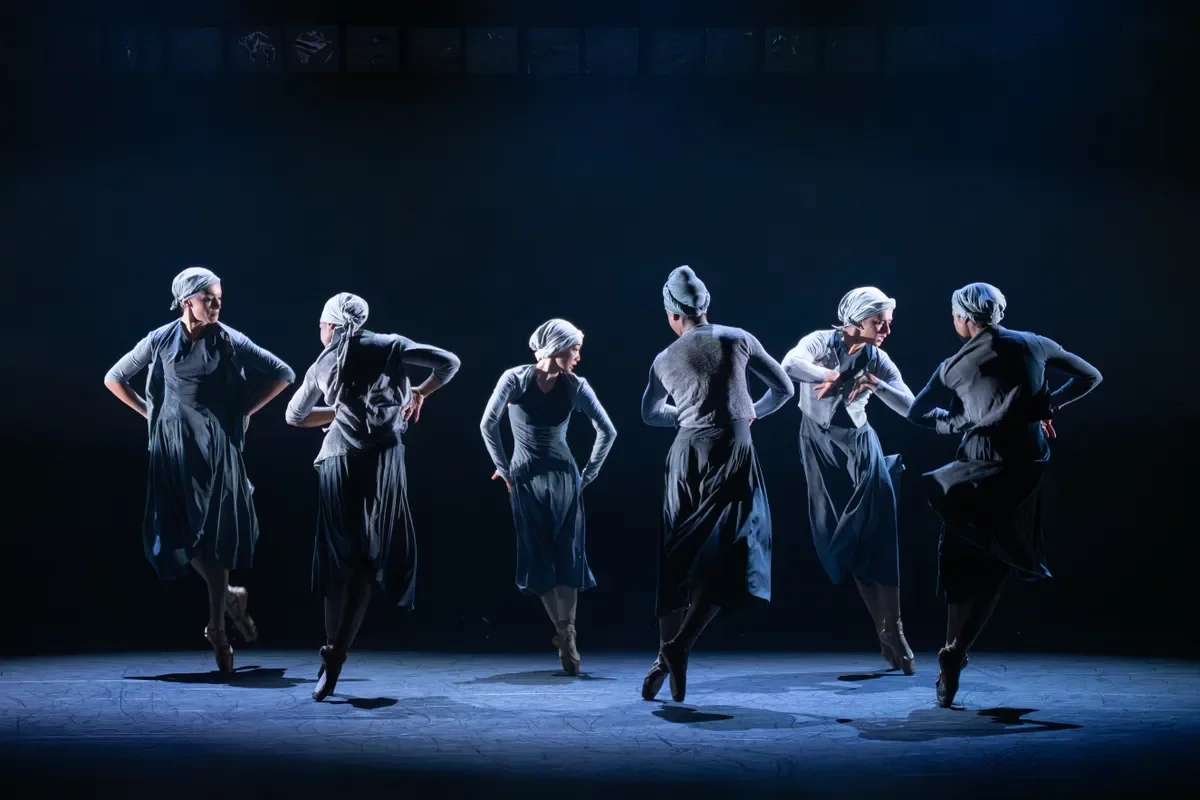
As Hackney Empire settles into stillness, murmured whispers of anticipation are replaced by the spoken affirmations about love, hope and freedom. The dancers assume formation, dressed in loose-fitting pieces of auburn and deep reds and oranges. Their bodies split across the stage, sometimes in waves and sometimes in ripples. Choreographer Boykin, speaking on her work, says that she “makes work and creates environments from personal and lived experience” and this rings true for her buoyant and dynamic piece. The spoken word that acts as the accompaniment for the dancers to move to speaks to the ebbs and flows of life, it is both inspiring and familiar. There is a particularly powerful duet performed to no music at all, where a male and female dancer share something intimate and tender. The female dancer sits, watching as the male performer is showing her something; he peacocks, using his body to either impress or astound her, and gestures towards something greater than the two of them. It feels like we are watching Adam and Eve meet each other for the first time, as they learn how to navigate a brand new world. Reviving and captivating, the first act felt like a call to action to live life to its fullest. Whilst the narration didn’t always land - sometimes clashing with music, and jarring against movements that didn’t match the essence of the words - it remained a bold, and awe-inspiring performance.
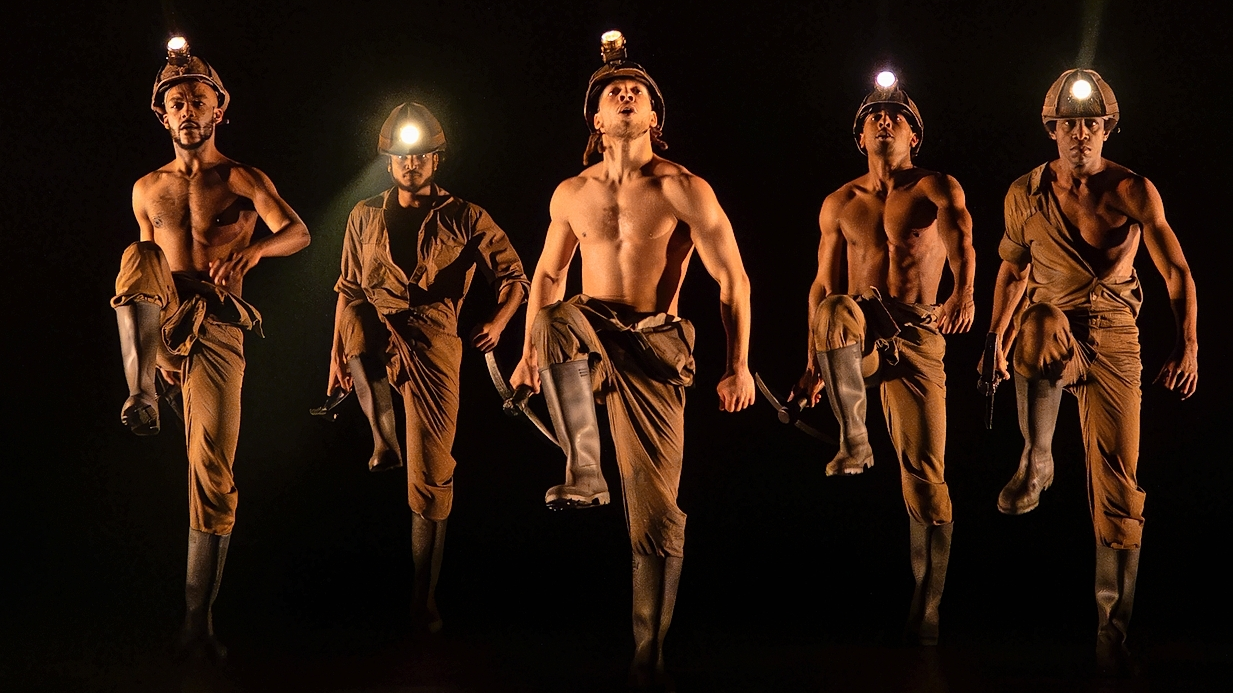
The second half of the show was a departure from the metaphorical and a full embrace of art as a very real, and very important form of resistance. Inspired by the 1946 South African miners’ strike, a precursor to the anti-apartheid movement, choreographed by Ballet Black dancer November, Ingoma is a piece that captures the brutality of conflict, oppression and injustice. The piece starts with a couple; the male dancer is preparing himself to protest against the South African government, saying an emotional goodbye to his partner, who imparts both her support and trepidation, combining a longing for him to stay, understanding and fear for his plight. We are then taken to the miners’ strike, where the dance picks up in tension and aggression. In incorporating South African sound and languages, the piece feels immersive.
At the behest of violence against them, we watch as intricate and explosive, yet precise, choreography tells the miners’ story. The dancers' bodies are sending up a voiceless prayer, the content of their requests made known by the desperation and earnestness in each movement. Fusing ballet, one of the oldest and traditional European dance styles, with a story and choreography that is deeply South African, dancers who are representative of the global south, is ingenious. Every dancer brought skill and heart, making for a thrilling and provocative piece.
Ballet Black’s 25th anniversary show spoke to its past, present and future; a manifesto to change the world of ballet with talent, intention and brilliance, which it has delivered every time.
★★★★☆
By Melody Adebisi