The Company We Keep: The Royal Court’s 2026 Season Opens the Door Wider
The 2026 season feels like a gathering - where industry legends and emerging writers sit shoulder to shoulder at the same table. As a 'writers' theatre, the Royal Court continues to put emerging voices at the centre of its programme, creating space for stories we haven’t heard before.
There are headline-makers like Tilda Swinton and Gary Oldman returning to the stage, but what’s most compelling is how their presence sits in conversation with debut and early-career playwrights. Rather than overshadowing new work, these established names help amplify it — reinforcing the Royal Court’s role as a home for bold writing, risk-taking, and the discovery of new theatrical voices.
In 2026, London’s Royal Court Theatre celebrates a remarkable milestone: 70 years as a home for contemporary theatre, new voices, and cultural reinvention. The Royal Court has long been a space where the boldest ideas in British theatre are nurtured and shared with the world. This anniversary year is no exception; the 2026 season is shaping up as a living manifesto of the theatre’s mission: to keep writers at the centre, to take risks, and to welcome voices from every corner of society.
“This is an invitation to audiences, artists and fellow playwrights everywhere: across my time at the Royal Court, we’ll be treading the path of maximum adventure. Times may be difficult but we’re up for the challenge, and the mission of the Court – to champion brave writers that push us forward – has never been more vital.”
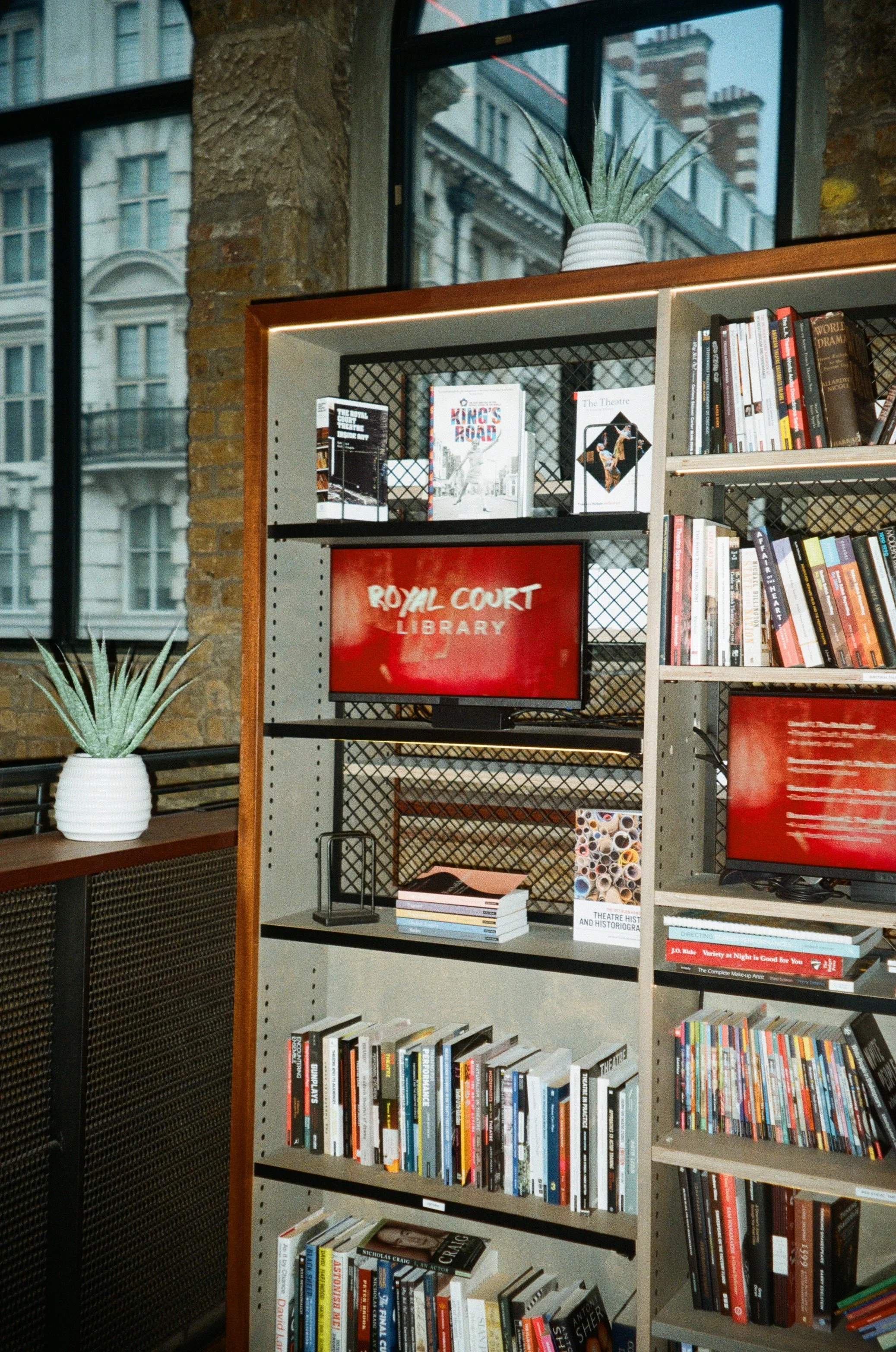
Since opening its doors in 1956, the Royal Court has championed voices that challenged and expanded British theatre. Founded as the English Stage Company, its earliest seasons introduced plays that would reshape the modern stage. Edward Bond’s Saved, Arnold Wesker’s Roots, and Christopher Hampton’s The Philanthropist found their first audiences here. These works challenged conventions and were deeply provocative in their time, but are now considered classics.
Artistic Directors through the decades, from George Devine to Max Stafford-Clark, and more recently Vicky Featherstone and David Byrne, have maintained a fierce commitment to discovering new writing and amplifying perspectives that reflect the present as much as they interrogate it.
This ethos includes a longstanding focus on international voices, young writers, and stories outside the mainstream, representing communities often left off the cultural map.
The Royal Court’s 70th anniversary season opens with a line-up that reflects both heritage and horizon. The programme includes European and world premieres, revivals of influential works, and brand-new commissions, each chosen to spark dialogue across generations of theatre-makers and audiences alike.
One standout is John Proctor Is the Villain by Kimberly Belflower, a modern reimagination of The Crucible that speaks to both historical and contemporary anxieties. This idea of return and reimagination shows how the new and the old can exist in creative tension.
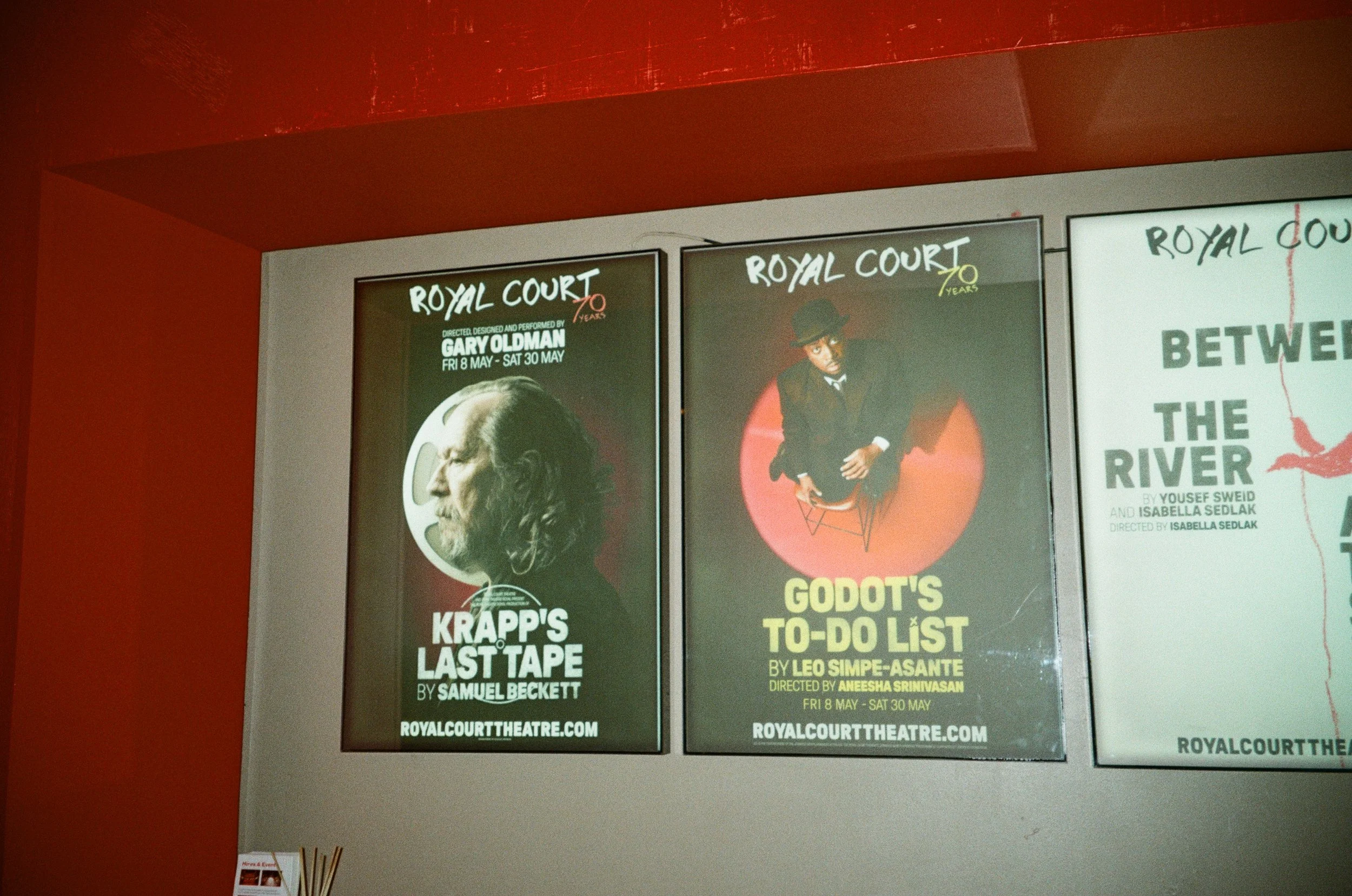
A dialogue between the established and the new runs strongly across the season. Man to Man, featuring Tilda Swinton reprising a role she first performed in the 1980s, and Samuel Beckett’s Krapp’s Last Tape with Gary Oldman, bring past favourites back for new audiences to experience. Every performance of Krapp’s Last Tape this season will be preceded by Godot’s To Do List, a new short play by emerging Black playwright Leo Simpe-Asante, which won the inaugural 2025 Royal Court Young Playwrights Award. Now, it runs ahead of the Beckett classic each night as its curtain-raiser, echoing Krapp’s Last Tape own premiere at the Royal Court 70 years earlier, when it debuted as a curtain-raiser. This intergenerational pairing in the programme feels like a full circle moment.
The Court’s 70 years also include crucial milestones in Black British theatre. In the 1960s, it was a rare London stage where plays like Soyinka’s The Lion and the Jewel and works by Adrienne Kennedy offered profound reflections on race, identity, and post-colonial experience, long before such voices were widely championed in the UK theatre landscape. This legacy extends into the work of groundbreaking Black British playwrights such as debbie tucker green in the 2010s, whose writing redefined form and emotion in contemporary plays.
That legacy continues with contemporary works that have reached broader audiences and sparked national conversations. For Black Boys Who Have Considered Suicide When the Hue Gets Too Heavy, created by Ryan Calais Cameron, blends music, movement, and verse to explore Black male mental health and community; it returned to the stage multiple times and transferred to the West End twice, thanks to overwhelming demand.
Alongside the revivals, the 2026 season has fresh new work at its heart. The Afronauts, a world premiere by Ryan Calais Cameron, tells the story of Zambia’s 1964 “space programme,” a little-known chapter in decolonised African history. Beyond sci-fi, it’s a spiritual exploration of ambition, identity, and belonging, described by Cameron as “a love letter to the dreamers history forgot.”
The presence of Black theatre in the Royal Court’s history reflects a mission to champion culturally resonant writing and to put diverse voices in spaces where they can be seen, heard, and felt.
From Wole Soyinka in the 70s, Winsome Pinnock in the 90s, debbie tucker green in the 2010s and more recently, Tife Kuroso G and Ryan Calais Cameron; The Royal Court’s legacy of platforming Black theatre talent is alive and continuously expanding.
The launch of initiatives like the National Young Playwrights Award for writers aged 13–18 across the UK highlights a bold investment in the next generation of storytellers, who are provided with free creative support, workshops, and opportunities for professional staging. This solidifies Royal Court’s legacy as a writers’ theatre, a legacy that will continue far beyond this anniversary year.
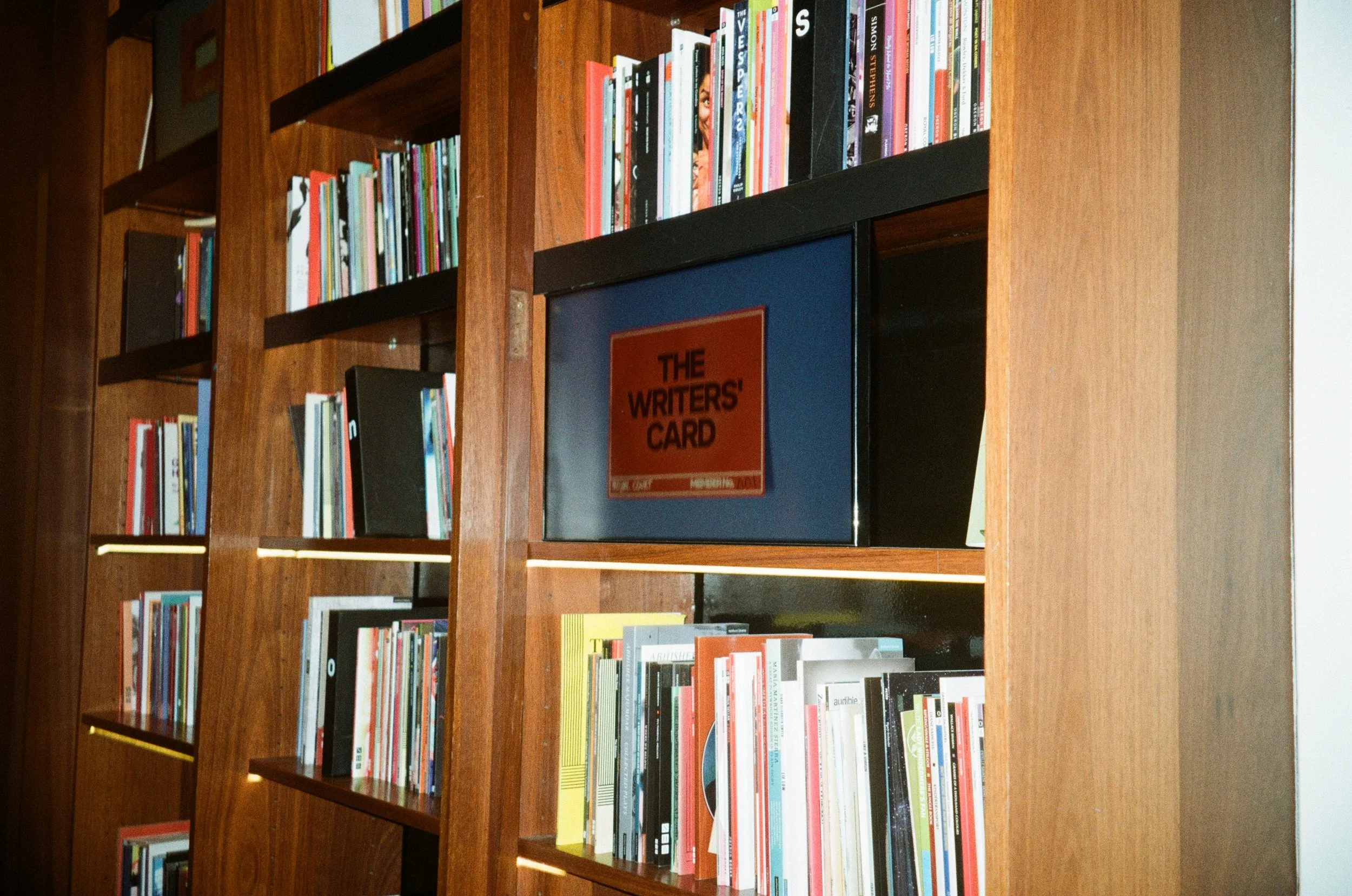
What makes the Royal Court’s 2026 programme compelling is the way it encourages established names and emerging voices to coexist in dialogue. It isn’t just a season to commemorate past achievements.
This is a celebration that brings forward the very practice that made the Royal Court vital in the first place: platforming writers who push boundaries, question assumptions, and create theatre that matters.
From the return of theatre icons to the bold adventuring of new plays about overlooked histories, the Royal Court’s 70th anniversary feels less like a retrospective and more like a living, breathing reaffirmation of its purpose. This is a season that reminds audiences that theatre can still be a place of discovery, and that the voices shaping it today are voices that the future will look back on as transformational.
As the Royal Court marks seven decades of British new writing, its 2026 season stands as a testament to a simple truth: theatre thrives when it widens its doors rather than narrows them. This anniversary year doesn’t just honour history - it’s writing the next chapter. And in that story, every audience member, writer, and artist that is invited becomes part of the company the Royal Court continues to keep.
By Zainab Swanzy
Find out more about the Royal Court’s 2026 season HERE.