In 1913, the suffragettes were banned from holding meetings at the Royal Albert Hall.
113 years later, a powerhouse cast of women (and a sprinkle of men) are back, reclaiming the space through this toe-tapping, waist-whining musical, directed by none other than Kate Prince.
It’s a production that blends the best elements of Horrible Histories and Sister Act, with enough musical ambition to give Hamilton a run for its money. Sylvia takes one of Britain's most significant chapters in the fight for women's suffrage and transforms it into an energetic fusion of musical theatre, hip-hop, soul and reggae. It shouldn’t work as a concept, but it makes 1900s history entertaining and intellectually stimulating. The audience feels as if we’re joining the cast through every high and low related to their defiance in starting and continuing the Women's Social and Political Union.
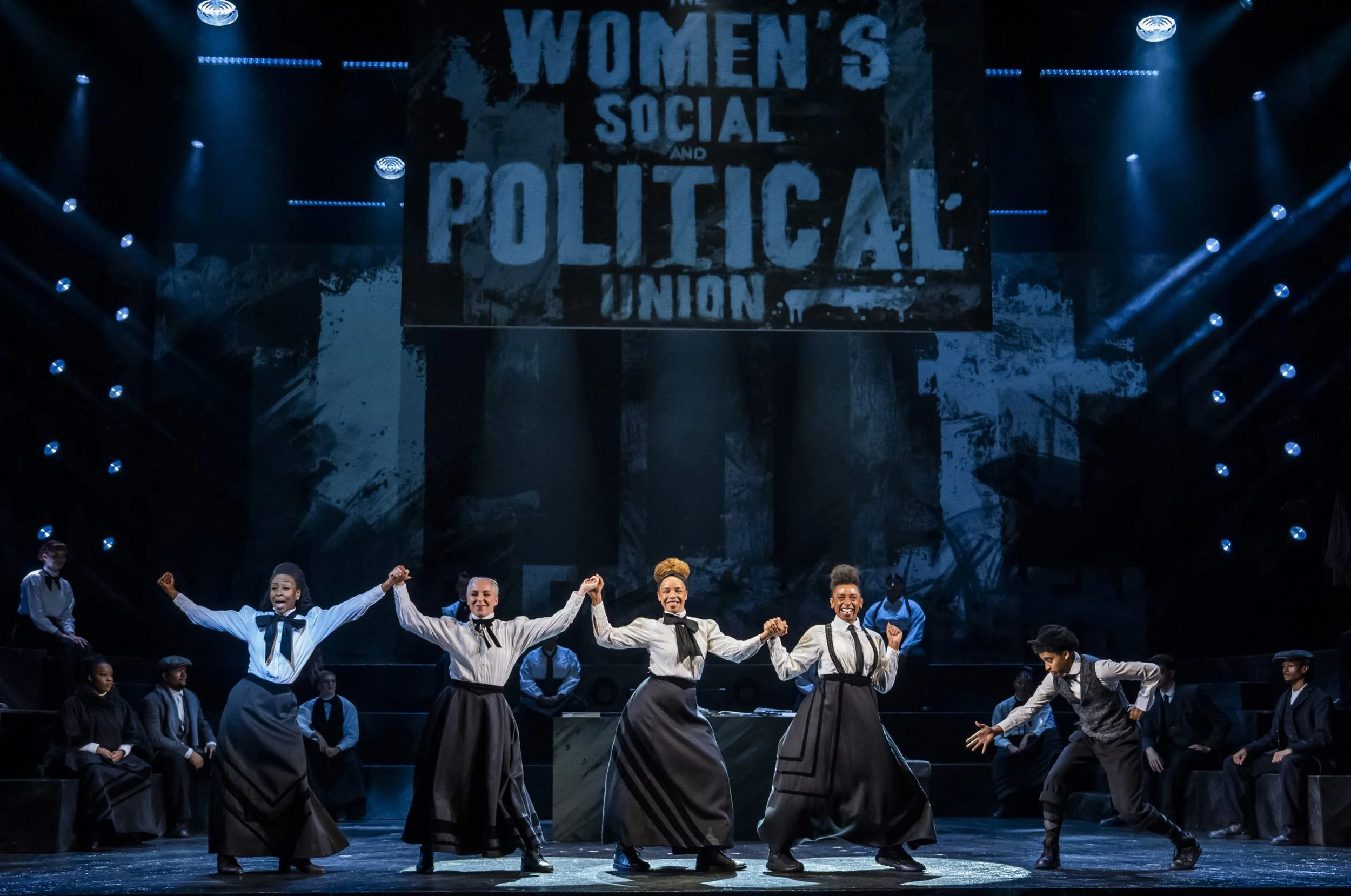
At the forefront is Beverley Knight as Emmeline Pankhurst, whose Olivier Award-winning portrayal is reason enough to see the show. She brings a considered complexity to the matriarchal figure, with spine-tingling vocals that beautifully compliment the acoustics at the Royal Albert Hall. The moment she becomes widowed is depicted on stage. Yet, she still manages to carry on and boldly attempt to balance the roles of both mother and leader of the women’s liberation movement in the UK.
Naomi Katiyo takes on the titular role of Sylvia, one of Emmeline's daughters. As the story unfolds, it becomes increasingly clear why she is at its centre. We watch Sylvia carve out her own place within the movement, finding the confidence to challenge both the patriarchal politicians standing in her way, and the increasingly divergent views of her fellow members in the Women's Social and Political Union. Unafraid to voice her convictions, even when they prove unpopular, she emerges as a formidable force in her own right. Throughout the show we see a deeply human and political figure come to life and wrestle with her mother’s methods of activism, alongside her developing romantic feelings for Keir Hardie, a Scottish socialist politician and founder of the Independent Labour Party who is 26 years her senior.
At the heart of the story is a question about the priorities of the suffragette movement: should the fight focus on securing voting rights for women, even if that only initially benefits the upper classes, or should it extend to working-class women and the wider struggle for social equality? Can women's liberation truly be achieved without addressing the inequalities faced by society as a whole? This ideological divide drives the conflict between Emmeline and her daughter Sylvia, exposing the complexities of a movement that was not always united in its understanding of liberation. Sylvia eventually finds her footing in political activism, inspired by her first-hand experience campaigning for working-class men and women, and witnessing the inhumane conditions and lack of rights they faced.
While the show offers plenty of different feminist perspectives that resonate across decades, from the 1900s to the 2020s, it wouldn’t feel like a complete review without mentioning one character who is decidedly less enthusiastic about the cause. One particularly memorable moment comes through Lady J/Jennnie Churchill (Kenedy Small), who plays Winston Churchill's mother. One of her musical numbers titled ‘Women Are Stronger’ combines garage-inspired beats and reggae rhythms with lyrics promoting that women solely belong in the home. The juxtaposition is wonderfully ironic. It's a clever way of making historical attitudes entertaining while simultaneously exposing how easily our minds can be persuaded that these opinions are relatively normal and digestible. This sentiment is a running theme throughout the show, primarily voiced by the mobs of men and conservative politicians of the time.
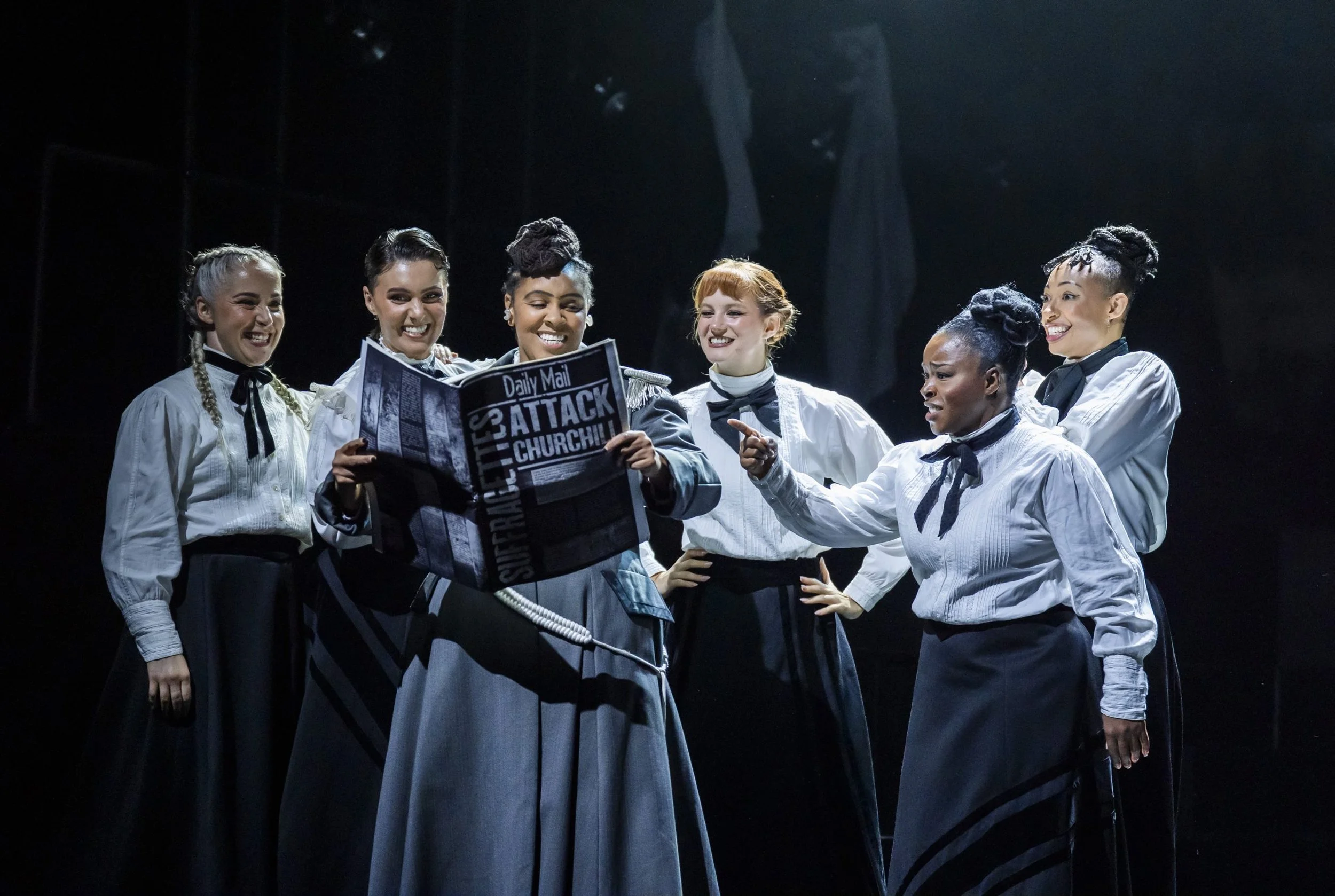
It’s easy to take for granted the gender equality, rights and opportunities we enjoy in 2026, without fully appreciating the generations of women who endured imprisonment, violence and immense personal sacrifice to secure them. Sylvia is a timely reminder that these freedoms were fought for, not simply handed to us.
While the staging is somewhat underwhelming, with the set and projections rarely making a lasting impression, the production more than compensates through its outstanding performances by the cast and live musicians. Knight is particularly commanding as Emmeline Pankhurst, capturing the steely determination of a woman wholly consumed by the cause, willing to make difficult and often contentious decisions, even when they came at the expense of close personal relationships.
The rousing finale, featuring ‘Stand Up’, sends audiences out on an undeniable high. More than simply entertaining, Sylvia leaves us reflecting on the women who challenged the status quo, the divisions within their movement and the sacrifices made in the pursuit of equality. Although its run at the Royal Albert Hall is limited to just three days, its message of women’s empowerment will echo on long after the curtain falls. Thankfully, the soundtrack is available on streaming platforms, giving audiences the chance to revisit the music and carry that feeling of justice and fearlessness into their day-to-day lives.
By Nadia Mantock
★★★★☆