Driftwood by Martina Laird – ★★★☆☆
"We can't let the animals run the farm" encapsulates much of what Driftwood is about.
Set against the shifting political winds of 1950s Trinidad, it is a play about many things: sovereignty, sacrifice, identity and the long shadow of colonial suppression. Martina Laird's play arrives with considerable ambition, and the weight of that ambition is felt throughout.
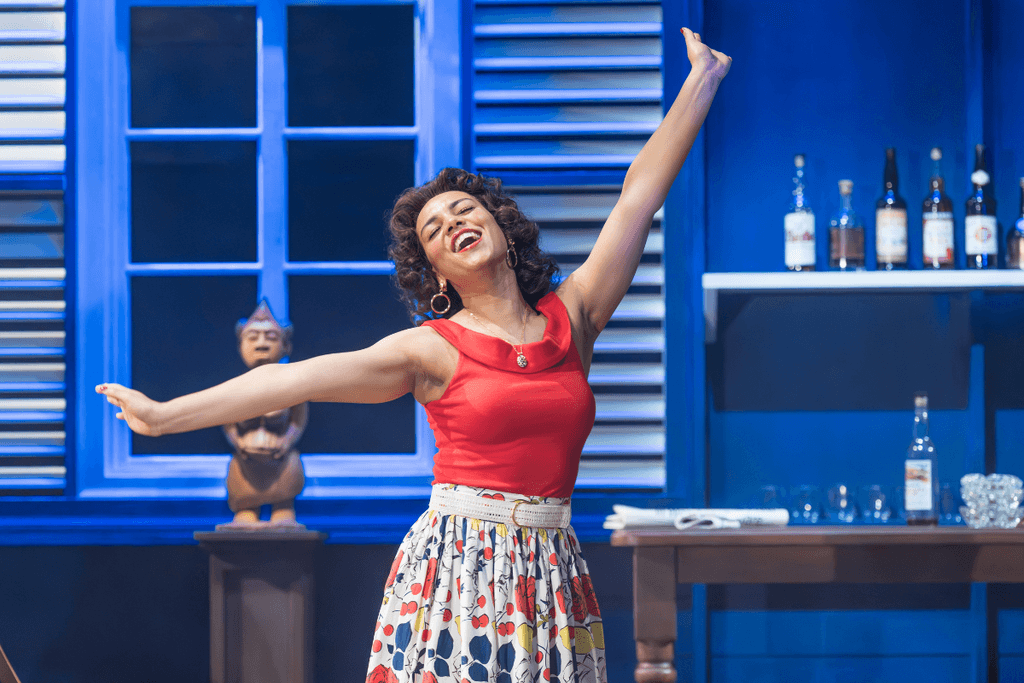
The play centres on a fractured family whose internal struggles mirror the upheaval of a nation on the cusp of independence. The primary setting is the Alma, a downtown bar of distinctly colonial architecture, punctuated by sparse African-inspired décor. The space does useful visual work in establishing the tension between histories that the play seeks to explore. Attempts are made through sound, dialogue and a carved driftwood figurine of maternal spiritual significance to connect the family's story to the island's African roots and its history of slavery. These threads, however, remain underdeveloped, and their purpose to the wider narrative is never made sufficiently clear. All of the Trinidadian characters speak in Trinidadian Creole and use Picong; this sharp, playful banter gives the world of the play a real specificity and flavour.
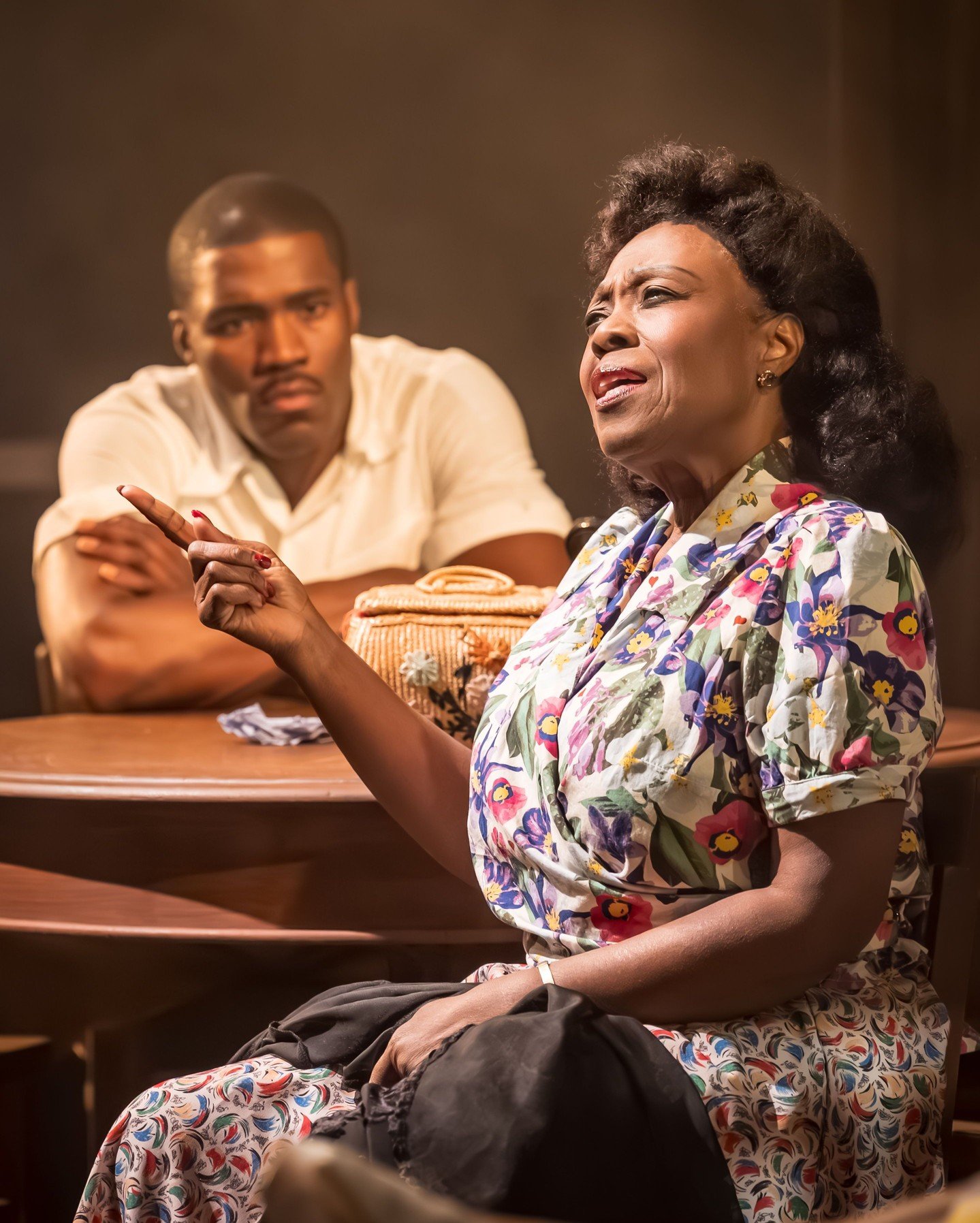
Ellen Thomas is simply superb as Pearl. She embodies the role of an aggrieved, exhausted working mother with tremendous force, anchoring every scene she inhabits. Cat White's Ruby, costumed primarily in shades of red, is a figure of desire, independence and loss. The role carries real symbolic weight within the play, though the execution does not always match the ambition of what is being asked of her.
The arrival of Martins Imhangbe's Diamond generates instant chemistry, particularly with Ruby, much of it built on physical comedy and well-timed sexual innuendo. While this is where the production feels most alive and most assured, playing with sex and desire, there are moments where the play makes choices that strain credibility and push the tone into uncomfortable territory, leaning into a filial tension rather than stepping back from it in ways that feel gratuitous rather than purposeful.
The thematic spine of Driftwood is its most interesting and resonant element. All three family members are united by their desire for a greater stake in the Alma, a hunger that maps directly onto the broader Trinidadian struggle for political self-determination. This paternalistic dynamic runs effectively throughout. Diamond, despite being the play's central source of tension, is also its most compelling symbol: a Black man hounded and punished by every force above him for daring to reclaim what he considers his. The play is at its most interesting when it sits with this. It is made concrete through the relationship between Tom and Mansion, which quietly traces the shift from British to American imperial influence over Trinidad, suggesting that the country remains locked in a cycle of dependence regardless of who holds the reins. The ping pong dynamic between Ziggy Heath and Roger Ringrose is a genuine highlight, alive with energy and precision.
Yet the production leaves this tension unresolved, causing the play to feel somewhat incomplete. A late emotional reconciliation between Pearl and Diamond similarly fails to land, largely because the groundwork has not been laid for it. Pearl's transformation from cold and absent mother to tender figure of care feels unearned.
The ensemble as a whole is excellent, individually and together. Shane David-Joseph's Seldom provides consistent and beautifully judged comic relief without ever undermining the serious moments around him. His is a performance of real human texture, bringing an authenticity to the relationships on stage that the script itself sometimes struggles to earn.
Driftwood is an enjoyable piece of theatre, carried in no small part by the strength of its performances. It wants to be a story about sacrifice and love. Whether it earns that is another question entirely.
★★★☆☆
By Koehin Aziz-Kamara
Driftwood is showing at Kiln Theatre until 4th July